
What is PCOS?
Polycystic Ovary Syndrome, or PCOS, is a common health problem. It affects many women of childbearing age. PCOS causes hormone changes that can lead to irregular periods, weight gain, and other symptoms. Often, small cysts form on the ovaries. However, not all women with PCOS have cysts. According to the Centers for Disease Control and Prevention (CDC), PCOS is one of the leading causes of infertility in women.
Common Symptoms and Causes of PCOS
PCOS symptoms can vary from person to person. But, some signs are more common. Knowing these can help you seek help early. Here are some symptoms to watch for:
While the exact cause of PCOS is not clear, several factors may play a role. For example, genetics can increase your risk. Also, high levels of insulin, a hormone that controls blood sugar, may lead to PCOS. Inflammation in the body can also be a factor.
How Homeopathy Approaches PCOS Management
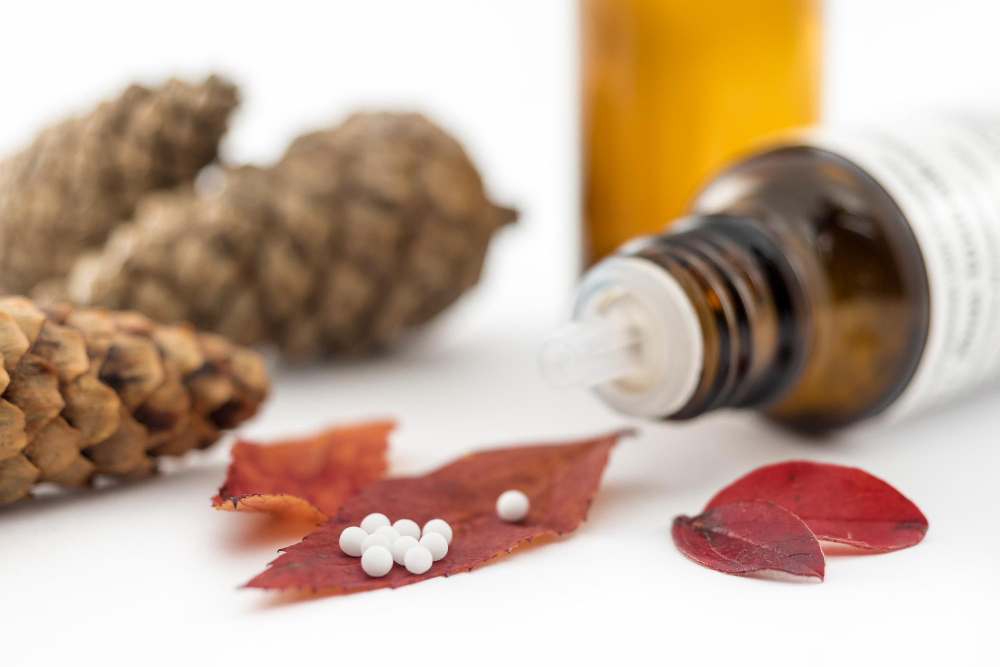
Homeopathy for PCOS offers a natural way to manage symptoms. Unlike some treatments, homeopathy looks at the whole person. It aims to balance the body’s natural systems. Homeopathic treatment for PCOS uses gentle remedies. These are chosen based on your unique symptoms and health history. Many people choose homeopathy because it is non-invasive and uses natural substances. However, it is important to remember that homeopathy should not replace medical care for serious symptoms.
Common Homeopathic Remedies for PCOS
There are several homeopathic remedies that may help with PCOS symptoms. These remedies are selected based on individual needs. Some commonly used options include:
Even though these remedies are popular, you should not self-prescribe. A qualified homeopathic practitioner will choose the right remedy for you. Each person’s symptoms are different, so treatment should be personalized.
Benefits and Limitations of Homeopathy for PCOS
Homeopathy for PCOS has some benefits. For instance, it uses natural remedies and focuses on the whole person. Many people find it gentle and easy to use. In addition, homeopathy may help manage stress, which can affect PCOS symptoms.
However, there are also some limitations. Scientific studies on homeopathy for PCOS are limited. The World Health Organization (WHO) suggests using homeopathy as a complementary approach, not a replacement for standard care. Results can vary from person to person. Therefore, it is important to work with a qualified practitioner and keep your doctor informed.
Lifestyle Guidance and Prevention Tips
Along with homeopathic treatment for PCOS, healthy habits can make a big difference. Here are some tips to help manage PCOS naturally:
These steps can support your overall health. In many cases, they also help reduce PCOS symptoms. If you need extra support, some homeopathy clinics in your city may offer lifestyle counseling as part of their care.
When to Consult a Healthcare Professional
If you have symptoms of PCOS, it is important to seek medical advice. Early diagnosis and treatment can help prevent complications. For example, untreated PCOS can lead to diabetes, heart disease, or fertility problems. While homeopathy for PCOS can be helpful, it should not replace regular check-ups or prescribed treatments. Always talk to your doctor or a qualified homeopathic practitioner before starting any new remedy.
Consult a qualified homeopathic practitioner or healthcare specialist for personalized advice on managing PCOS.